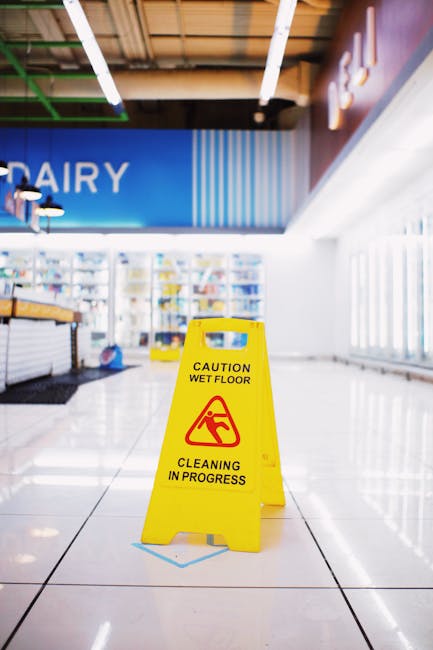
Retail fit out cleaning for Canning Town shops after refurbishment
Refurbishing a shop is exciting right up until the dust settles, literally. Boxes are in the way, fixtures have fingerprints all over them, fine plaster dust seems to have made itself at home, and the floor no longer looks like the floor you paid for. That is where Retail fit out cleaning for Canning Town shops after refurbishment comes in. It is the final, detailed clean that turns a construction site into a shop you can actually welcome customers into with confidence.
In Canning Town, where retail spaces often need to reopen quickly and make a strong first impression, this stage matters more than many people expect. A polished fit out is only half the job; the finishing clean is what lets your displays shine, keeps staff safer, and helps customers notice the details you worked hard to create. This guide walks through what the service includes, why it matters, how it works, and how to get the best result without wasting time or money.
You will also find practical tips, a checklist, and a few common mistakes to avoid. No fluff. Just the kind of guidance that helps when the contractor has gone, the smell of fresh paint is still in the air, and you need the shop ready by opening day. Truth be told, that last 10% of effort often makes the biggest difference.
Table of Contents
- Why it matters after refurbishment
- How the cleaning process works
- Key benefits and practical advantages
- Who needs this service and when
- Step-by-step guidance
- Expert tips for better results
- Common mistakes to avoid
- Tools, resources and recommendations
- Law, compliance, standards, or best practice
- Options, methods, or comparison table
- Case study or real-world example
- Practical checklist
- Conclusion
- Frequently asked questions
Why Retail fit out cleaning for Canning Town shops after refurbishment Matters
Refurbishment dust is sneaky. It gets into shelving tracks, hangs on skirting boards, settles inside display cabinets, and finds its way onto glass long after the builders have packed up. If your shop opens too soon, customers see that residue before they notice your new lighting or improved layout. And to be fair, they rarely forget it.
For Canning Town shops, where footfall can depend on local reputation, walk-ins, and repeat custom, a clean opening is not just about appearances. It is about trust. People are far more likely to browse, buy, and come back when the space feels fresh, safe, and properly finished.
A proper post-refurbishment clean also helps protect the work already completed. New flooring, painted surfaces, polished counters, and fitted shelving can all be damaged by abrasive dust or careless wiping. The job is not just cosmetic. It is protective.
There is also the practical side. Refurbishment leaves behind debris that can make a shop awkward to work in: slippery dust, scattered fixings, adhesive marks, packaging waste, and awkward corners that are hard to reach. A thorough clean helps staff get back to normal routines faster, with fewer complaints and less faffing about before opening.
Expert summary: The best retail fit out cleaning does not simply "tidy up" a refurbished shop. It removes construction residue, protects new finishes, improves presentation, and gets the space genuinely ready for trading.
How Retail fit out cleaning for Canning Town shops after refurbishment Works
Every shop is different, but the process usually follows a clear pattern. The aim is to move from rough to refined in stages, starting with the biggest mess and ending with the details customers actually notice. Think of it as bringing the space down from builders' mode into retail mode.
1. Initial assessment
A proper clean begins with a walk-through. The cleaner checks surfaces, flooring, fixtures, access points, and any sensitive materials such as polished metal, glass, natural stone, or branded displays. This step matters because refurbishment sites are rarely uniform. One area may be dusty; another may have adhesive or paint spots.
2. Debris removal
Loose waste, packaging, offcuts, dust sheets, and leftover materials are removed first. This clears the space so the detailed work can happen properly. If there is visible building residue left behind, the rest of the clean tends to suffer. Simple as that.
3. High-level dusting and surface cleaning
Dust tends to settle high first and then drift down. That means overhead ledges, light fittings, tops of shelving, pipework, vents, and display structures should be addressed before the lower areas. After that, counters, door frames, skirting boards, switches, and touchpoints are wiped carefully.
4. Glass, mirrors, and signage finishing
Retail environments rely on clean glass. Smears on windows or fingerprints on entrance doors can undo a lot of hard work. Good finishing includes polishing transparent surfaces, checking corners for residue, and cleaning around signage so the shopfront looks crisp from the street.
5. Floor treatment
Floors often need the most attention after refurbishment. Depending on the material, this may involve vacuuming fine dust, damp wiping, machine cleaning, spot removal, or careful treatment for a newly laid surface. If a floor is not cleaned in the right order, dust can get dragged across it again. Nobody wants that loop.
6. Final detail clean and snag check
The last stage is where a good cleaning team earns its keep. They inspect corners, edges, fixtures, handles, and hidden areas. Any remaining marks are dealt with, and the space is checked for a consistent finish. This is the stage where a shop starts to look genuinely open-ready rather than just "nearly there."
If the refurbishment included soft furnishings, fitting rooms, or waiting areas, services like commercial carpet cleaning and upholstery cleaning can also support the handover, especially where fabric surfaces have caught dust during the works.
Key Benefits and Practical Advantages
The biggest benefit is obvious: the shop looks clean. But there is more going on than a nice shine. Refurbishment cleaning supports the whole reopening plan, from brand image to staff comfort.
- Better first impressions: Customers notice cleanliness immediately, especially at the entrance, till point, and window displays.
- Safer trading conditions: Removing dust, scraps, and debris reduces slip risks and improves day-to-day working conditions.
- Protection for new finishes: Fresh fixtures, paint, flooring, and glass last longer when they are cleaned properly and gently.
- Faster reopening: A structured clean can reduce delays and help the store become operational sooner.
- Less stress for staff: Nobody wants to do opening prep around dust, residue, and half-finished details.
- Better brand presentation: If the refurbishment was done to improve the look and feel of the business, the cleaning should complete that story.
There is also a subtle commercial benefit. A clean, calm, finished-looking space makes visual merchandising easier. Products stand out better. Signage reads more clearly. Lighting feels brighter. Small thing? Not really.
For shops that have invested in a fuller refresh, adding specialist cleaning alongside commercial carpet cleaning can be especially useful where customer-facing areas need to feel polished from day one.
Who This Is For and When It Makes Sense
This service is not only for big chains with polished storefronts and fit out schedules that look like military operations. It is just as relevant to independent shops, salons, convenience stores, takeaways with retail counters, boutiques, charity shops, and mixed-use premises in and around Canning Town.
It makes sense when:
- a shop has just completed refurbishment or shopfitting works
- new flooring, shelving, or counters have been installed
- the premises have visible dust, adhesive, paint specks, or packaging residue
- the store needs to reopen quickly after contractors leave
- the business wants a premium finish before launch photos, press, or first customers
- staff do not have the time, equipment, or appetite to do the detailed clean themselves
It is also useful in phases. Some retailers book a pre-opening clean, then a lighter maintenance clean after trading resumes. That can work well where fit out dust continues to settle for a few days. It happens more than people think.
If you are weighing up what level of support you need, looking at service details on the company's about us page and pricing and quotes page can help you judge whether the service matches your budget, timeline, and expectations.
Step-by-Step Guidance
If you want the clean to go smoothly, the planning matters almost as much as the cleaning itself. Here is a practical way to think about it.
- Confirm the scope of the refurbishment. Make a simple list of what has changed: floors, walls, ceilings, counters, windows, shelving, fitting rooms, toilets, stockroom, and entrances.
- Identify the problem areas. Note where dust has collected, where paint or adhesive spots are visible, and which surfaces need delicate handling.
- Agree access and timing. Cleaning is easier when contractors have cleared the space and power, lighting, and water access are available. Late handovers can create rushed, messy results.
- Prioritise visible customer areas. Entrance points, checkout zones, feature displays, and glass panels should be tackled first if reopening is tight.
- Work top to bottom. Start high, move down, and finish with floors. That way you are not cleaning the same dust twice. A classic mistake, that one.
- Check for residue in edges and corners. Builder's dust loves corners, cable runs, shelf brackets, and recessed fixtures.
- Inspect lighting and glass after cleaning. Smears become very obvious under bright retail lighting, especially in the evening.
- Do a final walkthrough before stock arrives. It is much easier to correct a missed mark before products are on the shelves.
A simple rule helps here: if customers can see it, clean it like it matters. If staff touch it constantly, clean it like it matters even more. Sounds obvious, but these are the surfaces that get overlooked in a hurry.
Expert Tips for Better Results
Post-refurbishment cleaning can be straightforward when it is planned properly, yet a few details make a very big difference. In our experience, these are the things that separate a decent result from a really polished one.
Choose the right order
Always tackle dust-heavy work before polishing. If you polish glass or counters too early, you will only need to redo them after fine dust settles again. Not ideal, and a bit soul-destroying, really.
Protect delicate finishes
New retail installations often include materials that scratch easily: matte paint, vinyl branding, acrylic signs, brushed metal, or specialist flooring. Use suitable cloths and low-abrasion products. A harsh pad can leave a mark that was never in the budget.
Watch for hidden build dust
Dust loves vents, tracks, hinges, under-display areas, light fittings, and the tops of signage frames. If these are missed, the space may look clean at first glance but still feel dusty after an hour of trading.
Check the shopfront from outside
Walk across the street and look back at the building. You will spot glass smears, floor clutter at the entrance, and uneven window presentation much more easily from a distance. It is a small trick, but a useful one.
Schedule cleaning after the contractors fully finish
This sounds obvious, but it is worth saying. If electricians, decorators, and installers are still moving through the site, the clean will be compromised. Better to wait a little longer than to pay for the same area twice.
Use the opening day lens
Ask yourself: what will a first-time customer notice in the first ten seconds? Usually it is the door glass, the flooring, the smell, the counter, and the general brightness. Clean for that moment, not just for a checklist.
If the fit out has left carpets or upholstery looking flat or dusty, a support service such as steam carpet cleaning may be appropriate, provided it suits the materials and dry time available before opening.
Common Mistakes to Avoid
There are a few recurring errors that can make a post-refurb clean less effective than it should be. Most of them are avoidable. Some are just the result of rushing, which is understandable when a reopening date is hanging over everyone's heads.
- Cleaning too early: If the work is not fully complete, dust will return and spoil the finish.
- Focusing only on visible areas: Hidden residue in corners, tracks, and behind fixtures often becomes obvious later.
- Using the wrong products: Fresh materials can be damaged by aggressive chemicals or abrasive tools.
- Ignoring glass and entrance points: These are the first things customers see, and they show marks instantly.
- Overlooking floor edges and skirting boards: A floor can look clean in the middle and still feel unfinished around the edges.
- Skipping a final inspection: Small misses get costly when stock is in place and customers are due through the door.
Another common issue is assuming the contractors' sweep-up counts as a retail-ready clean. It usually does not. That kind of tidy-up is useful, yes, but it is not the same as a detailed clean designed for customer-facing space.
Tools, Resources and Recommendations
A good cleaning result depends on having the right equipment and the right approach. You do not need a warehouse full of kit, but you do need a sensible mix of tools suited to a retail environment.
Useful tools and materials
- microfibre cloths for dust and polish
- vacuum cleaners with suitable attachments for edges and corners
- mild, surface-appropriate cleaning solutions
- non-scratch pads for stubborn marks, used carefully
- glass cloths for doors, partitions, and windows
- dusting tools for high ledges and fittings
- floor cleaning equipment matched to the floor type
What to ask before booking
- Do you handle post-refurbishment and fit out cleaning specifically?
- How do you approach delicate surfaces and new finishes?
- Can you clean around retail fixtures, counters, and display units?
- What happens if there is still contractor residue on site?
- How do you handle carpets, upholstery, or other soft finishes if needed?
It is also worth looking at practical pages such as insurance and safety and health and safety policy if you want reassurance about how a cleaning provider works on occupied or newly refurbished commercial sites. That kind of due diligence is never wasted.
For shops with sustainability goals, the recycling and sustainability page may also be useful, particularly if you want to reduce waste after a refit and keep disposal practices sensible.
Law, Compliance, Standards, or Best Practice
Retail fit out cleaning is not usually a heavily regulated specialist service in the same way that some trades are, but it still sits within broader expectations around health and safety, waste handling, and safe working practices. If a shop is being prepared for public access, those details matter.
Best practice usually includes:
- using cleaning products safely and as intended
- protecting staff, cleaners, and visitors from slip hazards
- keeping walkways clear during the clean
- disposing of waste responsibly
- handling dust and residue without spreading it back onto clean surfaces
- respecting any site instructions left by contractors or the property manager
In a real retail setting, good practice also means communicating clearly. If the shop has fragile displays, high-value stock, or a tight launch schedule, the cleaner should know that up front. That sounds basic, but it is where a lot of avoidable problems start.
For business owners who want to check a provider's working standards, pages like terms and conditions and privacy policy can help you understand how bookings, service limits, and personal details are handled.
Options, Methods, or Comparison Table
Not every refurbished shop needs the same level of cleaning. The right choice depends on the size of the unit, the materials involved, the timeframe before reopening, and how much dust or residue is left behind.
| Method | Best for | Strengths | Watch-outs |
|---|---|---|---|
| Basic builder's tidy-up | Light residue, minimal fixtures, small spaces | Fast and low-cost | Often not detailed enough for customer-facing retail use |
| Detailed post-refurbishment clean | Most Canning Town retail fit outs | Targets dust, marks, and presentation issues properly | Needs more time and access |
| Combined fit out and specialist surface cleaning | Shops with carpets, upholstery, or delicate finishes | More complete finish, better for reopening | May need extra drying time and planning |
| Phased clean before and after reopening | Busy shops with staged handovers | Flexible around trading pressures | Requires careful coordination so dust does not return |
In plain English: if the unit has just had a serious refurb, a quick sweep and wipe is rarely enough. A detailed clean is usually the safer and better-value choice, especially if customers are coming in soon after the works finish.
Case Study or Real-World Example
Here is a straightforward example. A small Canning Town shop refurbishes its counter area, replaces the flooring, repaints the walls, and installs new display shelving. The contractor leaves the site in decent shape, but there is still a fine layer of dust on the shelf tops, light fittings, and window ledges. The shop owner wants to open within 48 hours because a local launch event is already booked.
On inspection, the most obvious issues are fingerprints on the glass entrance door, paint specks near the skirting boards, and dust sitting in the tracks of the new display units. The cleaner starts high, clears the counters, dusts the shelving, treats the glass, and finishes with the new floor. The staff arrive the next morning to a space that feels calm rather than chaotic. The shop opens on time, the launch event goes ahead, and the first customer comments on how fresh the place smells.
Nothing dramatic. Just the right work, in the right order. That is often what makes the difference. Not magic, just method.
If the shop had carpeted fitting rooms or a soft seating area, a follow-up service like upholstery cleaning or rug cleaning could finish the space neatly and help keep the reopening feeling consistent across every customer-facing area.
Practical Checklist
Use this before handover or before the cleaner arrives. It keeps the job focused and reduces delays.
- Confirm the refurbishment is complete
- Remove leftover tools, packaging, and contractor waste
- Check access to electricity, water, and lighting
- Identify delicate surfaces and branded materials
- Note areas with visible dust, adhesive, paint, or scuffs
- Clear stock and movable items where possible
- Prioritise entrance points, counters, and display areas
- Plan the clean after any final snagging work
- Allow time for drying if floors or fabrics are cleaned
- Do a final walk-through before stock goes back in
Quick takeaway: the smoother the handover, the cleaner the result. A little preparation upfront usually saves a lot of fixing later.
Conclusion
Retail fit out cleaning for Canning Town shops after refurbishment is not just the last job on the list. It is the part that makes the refurbishment feel finished. It clears away the dust, sharpens the details, and helps your shop open looking like a business ready to trade, not a project still in progress.
If you plan carefully, use the right methods, and clean in the right order, the results are easy to see. The glass looks clearer. The floor looks newer. The space feels calmer. And customers notice more than you might expect.
For local retailers, that first impression matters a lot. It can shape how people feel before they have even looked at your products. So yes, the work is practical. But it is also part of the welcome.
Get a free quote today and see how much you can save.
If you want to explore the company's service background, policies, or booking details, you can review the main site pages such as contact us, commercial carpet cleaning, and pricing and quotes before making a decision. Simple enough, really.
Frequently Asked Questions
What is retail fit out cleaning after refurbishment?
It is the detailed clean carried out after a shop refurbishment or fit out, once the building work is complete. The aim is to remove dust, marks, residue, and debris so the premises are ready for staff and customers.
Why is post-refurbishment cleaning different from regular shop cleaning?
Regular cleaning keeps a shop presentable day to day. Post-refurbishment cleaning deals with finer dust, contractor residue, adhesive marks, paint spots, and the hidden mess left behind by building work. It is more detailed and usually more intensive.
How soon after refurbishment should a shop be cleaned?
Usually after all building, decorating, and snagging work is complete. If cleaning happens too early, more dust or debris can settle back in and undo the result. Timing matters a lot here.
Can retail fit out cleaning be done before opening day?
Yes, and that is often the best time to do it. Cleaning before stock arrives and before the first customers come through makes the job easier and the finish much better.
What areas are usually included in the clean?
Common areas include floors, skirting boards, counters, shelves, windows, glass doors, fixtures, lighting, vents, fitting rooms, and entrances. If the shop has carpets or upholstery, those may need separate attention too.
Does every refurbished shop need specialist cleaning?
Not every shop needs the same level, but most refurbished customer-facing spaces benefit from a detailed clean. Even smaller units can end up with fine dust in places that are easy to miss.
How long does retail fit out cleaning usually take?
That depends on the size of the premises, the amount of dust or residue, and how much detail is needed. A small unit may be quicker, while a larger or more complex fit out will naturally take longer.
Will the cleaner handle glass, signage, and display surfaces?
Usually, yes, if that is agreed in advance. Glass and display surfaces are often among the most important parts of a retail clean because they shape the first impression from both inside and outside the shop.
What should I do before the cleaners arrive?
Make sure the fit out is complete, access is available, and contractor waste has been removed. It also helps to flag delicate finishes, problem areas, and any time pressure around reopening.
Can post-refurb cleaning help protect new flooring?
Yes. Fine dust, grit, and leftover debris can scratch or dull new flooring if they are not removed properly. The right cleaning approach helps preserve the appearance of the finish.
Is it worth getting carpets or upholstery cleaned at the same time?
If your refurbished shop includes soft surfaces, it often makes sense to include them. This gives a more complete finish and avoids reopening a space that still feels dusty or patchy.
How do I know if a cleaning provider is reliable?
Look for clear service information, sensible policies, and evidence that they understand commercial work. Pages such as health and safety policy, insurance and safety, and complaints procedure can help you judge professionalism and accountability.
What if I need a fast turnaround after refurbishment?
Then planning becomes even more important. Provide the schedule early, confirm access, and prioritise the most visible customer areas first. A same-day or short-notice clean can work well if the premises are ready and the scope is clear.